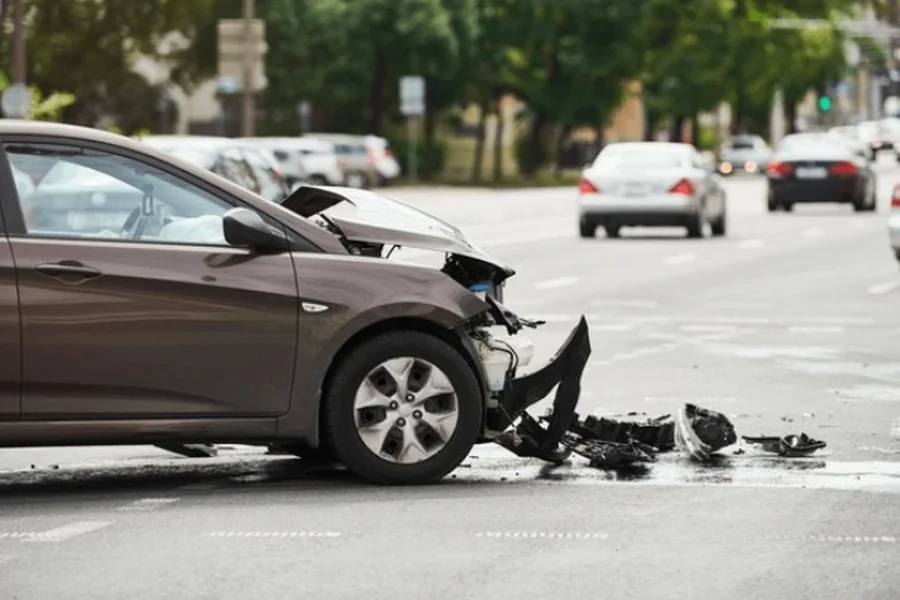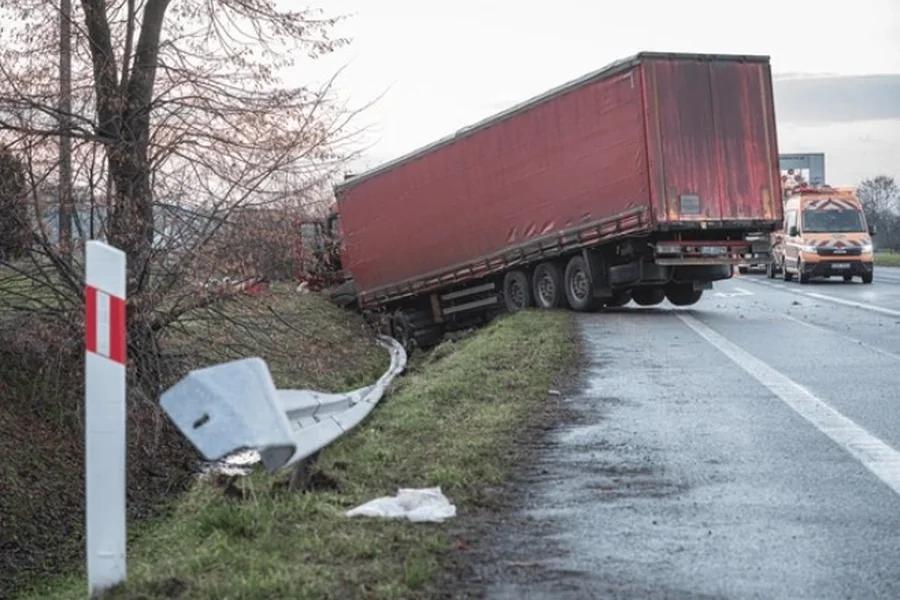
The most common types of truck accidents in El Paso include rear-end collisions, jackknife crashes, rollovers, sideswipe accidents, underride collisions, and cargo-related crashes. Each type can point to different causes and may require different evidence when determining who is responsible for the resulting injuries and losses.
El Paso sits on the U.S.-Mexico border and serves as an important transportation and trade hub in the Southwest. Interstate 10 connects the city with the rest of Texas and major markets farther east and west, while several international crossings handle commercial traffic between the United States and Mexico.
If you have been injured in a commercial truck crash, a truck accident lawyer in El Paso, TX, can help you understand how the facts of the collision may affect your claim.
In this article, we will look at the most common types of truck accidents in El Paso and what each one can mean for a claim.
The Most Common Types of Truck Accidents in El Paso
- Rear-End Truck Accidents
Rear-end collisions happen when a truck strikes the vehicle traveling ahead of it. The difference in size and weight between a commercial truck and a passenger vehicle can make these crashes particularly damaging.
A truck may rear-end another vehicle because of:
- Excessive or unsafe speed
- Following too closely
- Driver distraction
- Fatigue
- Poor visibility
- Brake problems
- Heavy traffic
- Failure to react to slowing vehicles
Texas Transportation Code §545.351 states that a driver may not operate at a speed greater than what is reasonable and prudent under the circumstances. The law also requires the driver to control speed as necessary to avoid colliding with another person or vehicle.
For a claim, this means the circumstances surrounding the truck’s speed and braking may become important. Investigators may examine skid marks, vehicle damage, traffic conditions, surveillance footage, electronic data, and witness accounts.
The type of injury can also affect the claim. A rear-end collision may cause neck and back injuries, fractures, head injuries, or other trauma that requires continuing treatment.
- Jackknife Truck Accidents
A jackknife accident occurs when a truck’s trailer swings sharply away from the cab, creating an angle between the two sections. When this happens, the trailer can cross multiple lanes and strike vehicles traveling nearby.
Jackknife crashes may result from:
- Sudden braking
- Excessive speed
- Loss of traction
- Improper steering
- Poor road conditions
- Mechanical problems
- Improperly distributed cargo
A jackknife claim can require a detailed reconstruction of how the truck moved before impact. Investigators may examine the braking system, tires, roadway surface, cargo distribution, driver actions, and weather conditions.
If a mechanical problem contributed to the crash, the investigation may also need to determine whether the truck was properly inspected and maintained.
- Truck Rollover Accidents
A rollover occurs when a commercial truck or trailer tips onto its side or overturns. Because a large truck can occupy several lanes during a rollover, other motorists may have little time to avoid it.
A rollover investigation may focus on:
- The truck’s speed
- Sudden steering movements
- Roadway design
- Tire condition
- Suspension or braking problems
- Trailer configuration
- Cargo weight
- Cargo distribution
Cargo can be particularly important in rollover cases. A load that shifts during transportation can change the vehicle’s center of gravity and affect its stability.
Driver fatigue may also become relevant. Federal hours-of-service rules generally restrict property-carrying commercial drivers to 11 hours of driving within a 14-hour window after 10 consecutive hours off duty.
When fatigue is suspected, records showing the driver’s hours of service may become important evidence.
- Sideswipe and Unsafe Lane-Change Accidents
Large trucks need significant space to change lanes, and their size can create areas where nearby vehicles are difficult for the driver to see. A truck moving into an occupied lane can sideswipe another vehicle or force it into another lane.
Texas Transportation Code §545.060 generally requires a driver traveling on a roadway divided into marked lanes to remain within a single lane as nearly as practical and prohibits moving from that lane unless the movement can be made safely.
A sideswipe claim may therefore involve questions such as
- Was the truck already in the lane?
- Did the truck driver check surrounding traffic?
- Was the lane change made safely?
- Were turn signals used?
- Did the truck have sufficient space to move over?
- Did traffic or roadway conditions affect visibility?
Dashcam recordings, traffic-camera footage, nearby business surveillance, photographs, and witness statements can help establish how the vehicles were positioned before impact.
- Underride Truck Accidents
An underride collision occurs when a smaller vehicle becomes trapped underneath the rear or side of a truck or trailer.
These crashes can cause severe damage because the smaller vehicle may travel underneath part of the commercial vehicle instead of receiving a more conventional collision impact.
Depending on the circumstances, an underride investigation may examine:
- Trailer equipment
- Rear or side protection
- Visibility
- Lighting and reflective markings
- Driver actions
- Roadway conditions
- The position of the truck before impact
The investigation may therefore involve both driver conduct and questions about the truck or trailer itself.
- Cargo-Related Truck Accidents
Some truck accidents are connected to the way cargo was loaded, distributed, or secured.
Cargo that shifts during transportation can affect a truck’s balance and handling. Unsecured cargo can also fall from a truck and create hazards for surrounding motorists.
Cargo-related crashes can involve:
- Uneven weight distribution
- Loose cargo
- Overloaded vehicles
- Falling objects
- Shifting loads
- Improperly secured materials
A claim may require determining who loaded the cargo, who secured it, whether the load was properly distributed, and whether the driver or carrier should have identified a problem before the vehicle entered the roadway.
This is one reason a truck accident claim may involve several potentially responsible parties rather than only the truck driver.
What Each Truck Accident Type Can Mean for Your Claim
The type of truck accident can provide an important starting point for investigating a claim, but the crash type alone does not establish legal responsibility.
For example, a rear-end collision may make speed and following distance important. A rollover may require an examination of cargo and vehicle stability. A sideswipe may focus attention on lane positioning and visibility.
The evidence needed can therefore change depending on the accident.
Rear-End Collision
The investigation may focus on:
- Following distance
- Speed
- Braking
- Traffic conditions
- Driver attention
- Brake condition
Jackknife or Rollover
The investigation may focus on:
- Steering
- Speed
- Braking
- Tires
- Cargo
- Road conditions
- Vehicle maintenance
Sideswipe or Lane-Change Crash
The investigation may focus on:
- Lane positioning
- Blind spots
- Signaling
- Visibility
- Traffic conditions
- Dashcam or surveillance footage
Underride Collision
The investigation may focus on:
- Trailer equipment
- Lighting
- Visibility
- Vehicle position
- Driver actions
- Safety equipment
Cargo-Related Collision
The investigation may focus on:
- Loading procedures
- Weight distribution
- Cargo restraints
- Inspection records
- Driver or carrier knowledge of the problem
This evidence can help establish how the collision happened and whether one or multiple parties may share responsibility.
How Responsibility Can Affect a Truck Accident Claim
Texas follows a proportionate-responsibility system for many personal injury claims. Under Texas Civil Practice and Remedies Code §33.003, the factfinder determines the percentage of responsibility attributable to each claimant, defendant, settling person, or responsible third party when applicable.
This can matter in a truck accident because several people or companies may have contributed to the collision.
For example, a case could involve questions about:
- The truck driver’s actions
- The trucking company’s conduct
- A maintenance company’s work
- A cargo-loading company’s procedures
- A vehicle manufacturer’s equipment
- Another motorist’s actions
The evidence must be examined to determine how the different factors contributed to the crash.
What Damages May Be Included in a Truck Accident Claim?
The losses involved in a truck accident claim depend on the person’s injuries and circumstances.
Potential damages may include:
- Emergency medical expenses
- Hospital and treatment costs
- Rehabilitation
- Prescription expenses
- Lost wages
- Reduced earning capacity
- Property damage
- Physical pain
- Mental or emotional suffering
- Physical impairment
- Disfigurement
Serious truck crashes can also create future expenses. Someone who needs continuing medical care or cannot return to the same type of work may have losses that extend well beyond the initial emergency treatment.
Important Steps to Take After a Truck Accident in El Paso
What happens immediately after a truck crash can affect the evidence available later. If your condition allows it, consider taking the following steps.
- Seek Medical Attention
Get medical care after the collision and follow the treatment plan provided by your healthcare professionals.
Keep copies of:
- Medical bills
- Treatment records
- Prescriptions
- Appointment information
- Rehabilitation records
- Work restrictions
Some injuries may not be obvious immediately after a collision, so medical documentation can also help establish how the injuries developed following the crash.
- Report the Collision
Report the crash to the appropriate authorities and cooperate with the investigation.
Texas Transportation Code §550.021 requires a driver involved in a collision resulting in or reasonably likely to result in injury or death to stop, determine whether a person requires aid, and comply with the applicable requirements at the scene.
- Document the Scene
If you can safely do so, take photographs or videos of:
- Your vehicle
- The truck and trailer
- Damage to both vehicles
- Road conditions
- Traffic signs
- Visible injuries
- Tire marks
- Cargo
- Nearby intersections or roadway features
Do not put yourself in danger to obtain photographs.
- Preserve Important Information
Keep the truck driver’s name, employer, insurance information, vehicle information, police report details, medical records, receipts, and photographs.
Truck accident cases can also involve commercial records that may not remain readily available forever. Depending on the circumstances, these can include driver logs, maintenance records, inspection information, cargo records, and electronic vehicle data.
Connect with a truck accident lawyer at the earliest, as they can help gather the right evidence, help find fault, and take care of all the next steps in the claim process.
Understanding the Time Limit for a Texas Accident Claim
Texas Civil Practice and Remedies Code §16.003 generally provides a two-year limitations period for personal injury claims, including truck accident claims and certain claims involving injury resulting in death, although exceptions can apply.
Because the correct deadline depends on the facts and parties involved, an injured person should not assume that every case follows the same timeline.
Key Takeaways
- Truck accidents in El Paso can take several forms, including rear-end collisions, jackknife crashes, rollovers, sideswipes, underride accidents, and cargo-related crashes.
- The type of collision can guide the investigation, but it does not automatically determine who is legally responsible.
- Multiple parties may be involved in a claim, including the driver, trucking company, vehicle owner, maintenance provider, or cargo handler.
- Evidence can make a major difference, including photographs, medical records, witness statements, vehicle data, driver records, maintenance records, and cargo information.
- Texas law addresses speed, lane movement, proportionate responsibility, and claim deadlines, making the specific facts of the accident important to the legal analysis.
- Taking action early can help preserve a claim, especially when serious injuries, disputed liability, commercial records, or multiple potentially responsible parties are involved.