

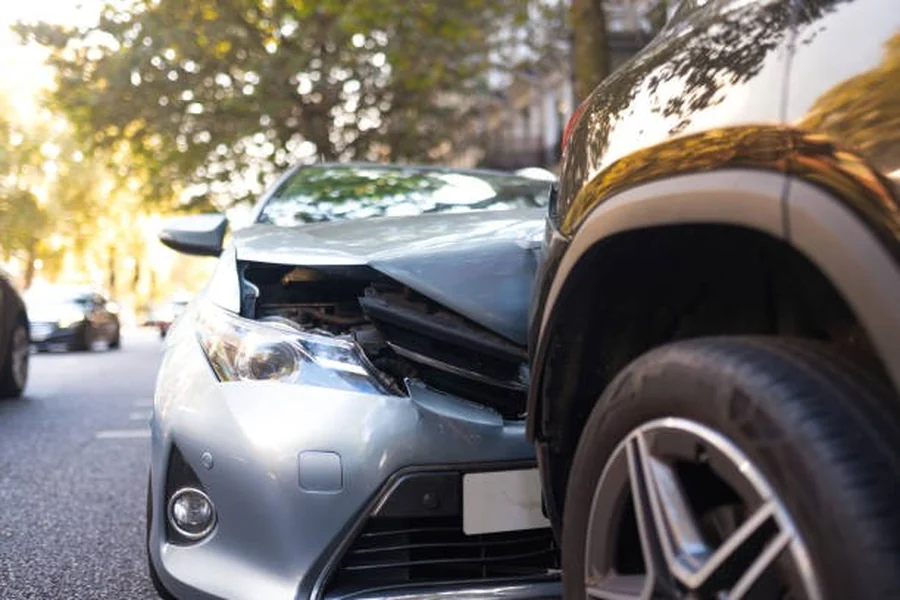
Witness statements can make a significant difference in a car accident claim by helping establish what happened, who was responsible, and how the accident occurred. When eyewitnesses share what they saw, their accounts can support the injured person’s version of events and help resolve disagreements between drivers.
However, gathering reliable evidence is not always easy, especially when the drivers involved provide different accounts of the accident. A car accident lawyer can help collect witness statements, review their accuracy, and use them alongside other evidence to build a stronger claim for compensation.
Understanding how witness statements work can help accident victims recognize their value and take the right steps to protect their claims.
How Do Witness Statements Help in a Car Accident Claim?
Witness statements provide information from people who saw the accident or its immediate aftermath. Since these individuals may not be directly involved in the crash, their observations can help clarify important details.
Here are some ways witness statements can support a claim.
Establishing Who Was at Fault
Determining who caused a car accident is important when seeking compensation for injuries and property damage. Witnesses may explain which driver had the right of way, whether someone ran a red light, or if a vehicle changed lanes without warning.
Their accounts can help insurance companies understand how the accident happened, particularly when the drivers disagree about responsibility.
Supporting Other Evidence
Witness statements become more useful when they match other available evidence, such as photographs, traffic camera footage, police reports, and vehicle damage. For example, a witness may confirm that a driver was speeding before hitting another vehicle. When supported by additional evidence, this observation can help establish a clearer picture of the incident.
Strengthening Compensation Claims
Witnesses may also describe the accident’s immediate effects, including visible injuries, damage to vehicles, and the actions of the drivers involved. Their statements can support certain aspects of a claim, although medical records, repair estimates, and other documents are generally needed to establish the full extent of the losses.
What Makes a Witness Statement Reliable?
Not every witness statement carries the same weight. Insurance companies and legal professionals consider several factors when evaluating an account.
- Direct observation: People who personally saw the collision may provide more useful details than those who heard about it later.
- Consistency: Statements that remain consistent with other evidence may be more credible.
- Clear details: Specific observations about vehicle movements, traffic signals, and road conditions can help explain the accident.
- Lack of bias: A witness with no personal connection to the people involved may be viewed as more impartial.
Even a credible witness may not have seen the entire accident. Their statement should therefore be considered alongside other available evidence.
How Can You Collect Witness Statements After an Accident?
If you are involved in a car accident, try to obtain the names and contact details of people who witnessed the incident, provided it is safe to do so. Ask them to describe what they observed in their own words without suggesting what they should say.
Record the date and location of the accident and preserve any messages or written statements they provide. Avoid pressuring witnesses to change their accounts or guessing about details they cannot remember.
If witnesses leave before you can speak with them, nearby businesses or traffic cameras may help identify additional evidence. Acting promptly can also make it easier to locate witnesses while their memories are still clear.
Key Takeaways
- Witness statements can help establish how a car accident occurred and who may be responsible.
- Independent eyewitness accounts can support other evidence, including photographs and police reports.
- Reliable statements may strengthen a claim, but they do not automatically prove fault.
- Collect witness contact details and accurate accounts as soon as it is safe to do so.
- Combining witness statements with medical records and other evidence can help support a compensation.

2 Comments
Pingback: Property Division During Divorce in Maryland: What Spouses Should Know
Pingback: Personal Injury Attorney Cleveland: A Guide to Legal Help