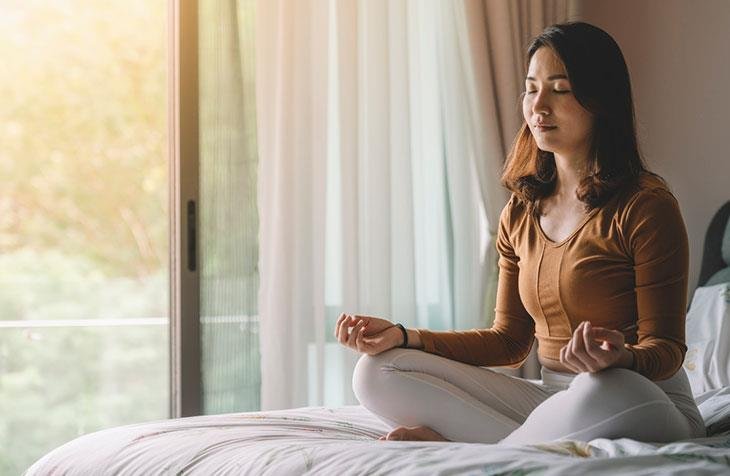
Health is one of the most important parts of a good life. When your body feels strong and your mind feels calm it becomes easier to work learn and enjoy time with the people you love. Good health can also help you handle everyday challenges with more confidence.
Many people think staying healthy requires a strict diet or a difficult workout plan. That is not always true. Simple habits can have a meaningful impact when you follow them consistently. Eating nutritious food getting enough sleep staying active and managing stress are some of the basic habits that support overall well-being.
Your health needs can also change throughout life. What works for one person may not work for another. Age activity level lifestyle and existing health conditions can all affect what your body needs.
The goal should not be perfection. Instead focus on making practical choices that you can continue for a long time. Even a small improvement can become an important part of your daily routine.
This guide covers simple ways to support your physical and mental health. These tips are designed to be realistic and easy to understand so you can gradually build healthier habits.
Eat Nutritious Food Every Day
Food provides the energy and nutrients your body needs to function. A balanced eating pattern can support your energy levels and overall well-being.
Try to include different types of food in your meals. Vegetables and fruits provide important vitamins minerals and fiber. Eating a variety of colors can help you get a wider range of nutrients.
Protein is also important. Eggs fish poultry beans lentils nuts and seeds can all provide protein. Protein supports muscles and other important functions in the body.
Whole grains can be another useful choice. Foods such as oats brown rice and whole-grain bread can provide fiber and other nutrients.
You do not need to completely remove your favorite foods. Healthy eating is about balance. Occasional treats can be part of a normal eating pattern.
Try to reduce foods that contain large amounts of added sugar salt and unhealthy fats. Sugary drinks can also add a lot of sugar to your daily intake. Choosing water more often can be a simple improvement.
Eating at home can make healthy choices easier. You have more control over ingredients and preparation methods.
Planning meals can also help. When healthy ingredients are already available you may be less likely to rely on highly processed convenience foods.
The most important thing is consistency. You do not need a perfect diet every day. Focus on making nutritious choices most of the time.
Stay Active and Keep Your Body Moving
Regular physical activity is important for maintaining a healthy body. Movement can support muscles bones the heart and general physical fitness.
You do not need to spend hours in a gym. Walking is an easy activity that many people can include in their daily routine. You can walk during breaks or choose to walk short distances instead of always using a vehicle.
Other activities can be enjoyable too. Cycling swimming dancing jogging and sports can help you thesindi com.
Strength exercises are also useful. Simple movements such as squats lunges and push-ups can help build strength. Resistance bands and weights are other options.
If you spend many hours sitting try to take short movement breaks. Stand up stretch or walk around for a few minutes.
The best exercise is usually an activity you enjoy and can continue regularly. You do not need to copy someone else’s workout routine.
Start slowly if you are new to exercise. Increasing activity gradually can make the process more comfortable.
People with certain medical conditions may need personalized advice before beginning a new exercise program. If you have concerns about your health speak with a qualified healthcare professional.
Regular movement should become part of everyday life rather than something you only do occasionally.

Make Quality Sleep a Priority
Sleep is essential for both physical and mental health. Your body needs time to rest and recover after the activities of the day.
Many adults need around seven to nine hours of sleep each night although individual needs can vary. Children and teenagers generally need more.
A regular sleep schedule can help improve your sleep habits. Try to go to bed and wake up at similar times each day.
Your bedroom environment can also affect sleep. A quiet dark and comfortable room may help you relax.
Electronic devices can make it harder for some people to wind down. Consider reducing screen use before bedtime if you notice that it affects your sleep.
Caffeine can also affect sleep. If you are sensitive to caffeine you may want to avoid consuming it later in the day.
A relaxing bedtime routine can prepare your mind for rest. Reading a book taking a warm shower or doing gentle stretching may help.
Do not ignore ongoing sleep problems. If you regularly struggle to sleep or feel exhausted despite getting enough time in bed consider speaking with a healthcare professional.
Good sleep is not a luxury. It is a basic part of maintaining your health.
Drink Enough Water and Stay Hydrated
Water plays an important role in many body functions. Staying hydrated supports normal physical processes and helps your body regulate temperature.
Fluid needs vary between people. Your activity level weather diet and individual health can all affect how much fluid you need.
One simple habit is to keep water nearby during the day. Drinking regularly can make it easier to stay hydrated.
Water is usually a practical choice because it does not contain added sugar. Replacing some sugary drinks with water can also help reduce unnecessary sugar intake.
Fruits and vegetables can contribute to your overall fluid intake because many contain significant amounts of water.
During hot weather or periods of heavy physical activity you may need more fluids. People who sweat heavily should pay attention to hydration.
At the same time drinking excessive amounts of water is not necessary and can be harmful in certain situations. Some people with medical conditions may have specific fluid restrictions.
If you have a health condition that affects hydration or fluid balance follow the advice of your healthcare professional.
The simple goal is to give your body the fluids it needs without turning hydration into a complicated task.
Protect Your Mental and Emotional Health
Mental health is an important part of overall health. A person can look physically healthy while struggling emotionally.
Daily stress can come from work family responsibilities financial concerns relationships and many other sources. Learning healthy ways to manage stress can support your well-being.
Start by giving yourself regular breaks. Even a few quiet minutes can help your mind recover from a busy day.
Physical activity may also improve mood for many people. A walk outside can provide both movement and a change of environment.
Talking to someone you trust can make difficult situations easier to handle. You do not have to deal with every problem alone.
Hobbies can also support emotional health. Reading cooking music gardening photography and sports can provide enjoyable time away from responsibilities.
Pay attention to your relationship with social media. Constantly comparing your life with other people’s carefully selected posts can affect your mood.
Set boundaries when needed. You can reduce notifications or choose specific times to check social media.
It is also important to recognize when professional help may be useful. Persistent sadness anxiety hopelessness or major changes in daily functioning should not be ignored.
A qualified mental health professional can provide appropriate support.
Taking care of your mind is not a sign of weakness. It is an important part of taking care of yourself.
Build Healthy Habits and Avoid Harmful Ones
Your everyday habits can have a long-term effect on your health. Some habits support well-being while others can increase health risks.
Smoking is one example of a harmful habit. Quitting smoking can provide important health benefits. If you smoke consider getting professional support to help you quit.
Alcohol can also affect health. Reducing alcohol consumption or avoiding it may lower certain health risks.
Personal hygiene is another basic part of good health. Regular handwashing can help reduce the spread of infections. Brushing and flossing your teeth can support oral health.
Your living environment also matters. Keeping your home clean and maintaining good ventilation can make your surroundings more comfortable.
Regular health checkups can be useful too. Depending on your age and personal risk factors a healthcare professional may recommend specific screenings vaccinations or tests.
Pay attention to changes in your body. Persistent pain unusual symptoms or sudden changes should be discussed with a healthcare professional.
Do not rely on social media posts or online comments to diagnose yourself. Health information found online can be useful for general education but it should not replace professional medical advice.
The best approach is to build healthy habits gradually. Choose one change and practice it until it becomes part of your normal routine.
Create a Balanced Daily Routine
A balanced routine can help you take better care of your health without making life feel complicated.
Start your day with a simple plan. Give yourself enough time to prepare instead of rushing through the morning.
Make time for nutritious meals. If your schedule is busy prepare some ingredients in advance so healthy food is easier to access.
Include movement throughout the day. You can take a walk during a break or stretch after sitting for a long period.
Work and responsibilities are important but they should not take up every moment. Make time for family friends hobbies and relaxation.
Try to manage your screen time. Phones and computers are useful tools but excessive use can reduce physical activity and interfere with sleep.
Your routine should also include enough rest. Being busy all the time does not necessarily mean being productive.
Set realistic goals. If you want to exercise more start with a manageable amount. If you want to improve your diet change one or two habits rather than trying to change everything at once.
Small improvements are easier to maintain. Over time they can become part of your lifestyle.
A healthy routine should support your life rather than make you feel trapped by a strict schedule.
Final Thought
Good health is built through everyday choices. You do not need to completely change your life overnight. Small improvements can create meaningful results when you continue them consistently.
Focus on the basics. Eat nutritious food. Stay active. Get enough sleep and drink enough water. Give attention to your mental health and maintain healthy relationships.
Avoid harmful habits and take your health concerns seriously. Regular professional care can also help identify potential problems early.
Remember that health is personal. Your routine does not need to look like someone else’s routine. Choose habits that fit your body your lifestyle and your responsibilities.
There will be days when you do not follow your plan. That is completely normal. One unhealthy meal or missed workout does not erase your progress.
Simply return to your healthy habits when you can.
The goal is not to become perfect. The goal is to feel better and give your body and mind the care they need.
Start with one small change today. Over time that small change can become a habit. A collection of healthy habits can then become a lifestyle that supports a stronger body and a more peaceful mind.
FAQs About Health
What is the most important part of good health?
There is no single habit that guarantees good health. A combination of nutritious food regular physical activity quality sleep mental well-being and preventive healthcare can provide a strong foundation.
How can I improve my health naturally?
Start with basic habits. Eat a balanced diet stay physically active get enough sleep drink enough water and manage stress. Avoid harmful habits such as smoking.
How much sleep does an adult need?
Many adults need around seven to nine hours of sleep each night. Individual needs can vary. Sleep quality and consistency are also important.
Is walking good for health?
Yes. Walking is a simple form of physical activity that can support fitness. It can also be an easy way to add more movement to your daily routine.
- Why is drinking water important?
Water supports many normal body functions. It also helps the body regulate temperature and maintain proper fluid balance.
How can I improve my mental health?
Make time for rest hobbies physical activity and social connections. Talking with trusted people can also help. If emotional difficulties continue or interfere with daily life consider professional support.
How can I maintain good health as I get older?
Focus on consistent healthy habits. Eat nutritious foods stay active get adequate sleep and attend recommended health screenings. Personalized medical advice becomes especially useful as health needs change.
When should I see a doctor about a health problem?
Seek professional advice for symptoms that are persistent severe unusual or getting worse. Emergency symptoms should receive immediate medical attention rather than waiting for a routine appointment.