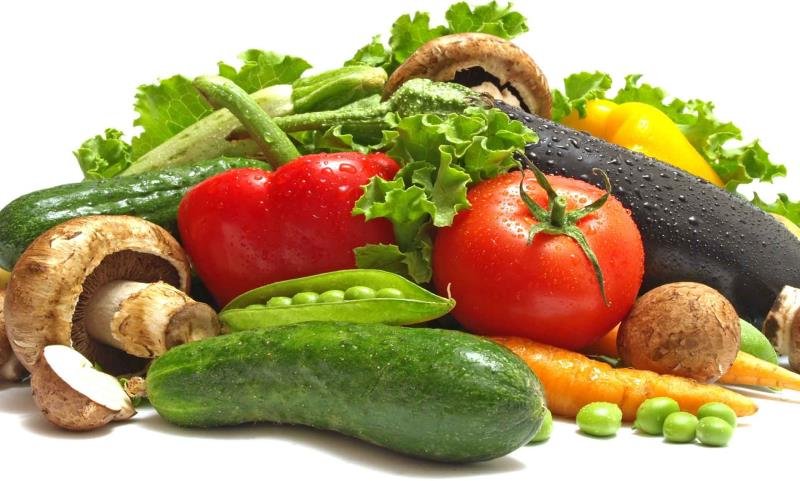
Eating healthy food is one of the simplest ways to take better care of your body. The food we eat affects almost every part of our daily life. It can influence our energy levels, mood, sleep and ability to stay active. A balanced diet also gives the body the nutrients it needs to grow and repair itself.
Healthy eating does not mean that you have to follow a strict diet or stop enjoying your favorite meals. It is more about making better choices most of the time. Fresh vegetables, fruits, whole grains, beans, nuts and quality sources of protein can all become part of a healthy lifestyle.
Many people think healthy food is expensive or difficult to prepare. In reality, simple meals made with common ingredients can provide excellent nutrition. The key is to understand what your body needs and create eating habits that you can follow for a long time.
What Makes Food Healthy?
Healthy food usually contains important nutrients that support the body’s normal functions. These nutrients include vitamins, minerals, protein, healthy fats, carbohydrates and fiber. Different foods provide different nutrients. This is why eating a variety of foods is important.
Vegetables and fruits are excellent sources of vitamins and minerals. They also contain fiber and natural plant compounds that can support overall health. Whole grains provide carbohydrates for energy along with more fiber than many refined grains.
Protein is another important part of a balanced diet. Eggs, fish, chicken, beans, lentils, yogurt and nuts can provide protein. Protein helps maintain muscles and supports many processes inside the body.
Healthy fats should not be avoided completely. Foods such as avocados, nuts, seeds and certain fish contain fats that can be part of a balanced eating pattern.
At the same time, it is useful to limit foods that contain large amounts of added sugar, salt and unhealthy fats. These foods can be enjoyed occasionally but should not make up most of your daily meals.
Benefits of Eating Healthy Food Every Day
A healthy diet can offer benefits that go beyond physical health. When your body receives the nutrients it needs you may feel more energetic throughout the day. A balanced meal can also help you stay satisfied for longer.
Eating nutritious food may support a healthy immune system. Vitamins and minerals play important roles in normal immune function. Foods rich in fiber can also support healthy digestion.
Healthy eating is also connected with maintaining a healthy weight. Meals containing vegetables, fruits, whole grains and protein can help provide fullness without relying heavily on highly processed foods.
Your food choices may also affect your heart health. A diet that includes more vegetables, fruits, whole grains and sources of unsaturated fat can fit well into a heart-conscious lifestyle.
Another important benefit is consistency. When healthy meals become a normal part of your routine you do not need to think about dieting all the time. Instead, good food choices become a natural habit.
Best Healthy Food Options to Add to Your Diet
There are many nutritious foods that can easily become part of everyday meals. You do not need to buy expensive products or special health foods.
Vegetables should have an important place on your plate. Spinach, carrots, broccoli, tomatoes, cabbage, cauliflower and bell peppers are useful choices. Try to include different colors because different vegetables contain different nutrients.
Fruits are another simple option. Bananas, apples, oranges, papaya, mangoes, berries and guava can provide vitamins and fiber. Whole fruits are generally a better everyday choice than fruit drinks with added sugar.
Whole grains can provide lasting energy and fiber. Oats, brown rice, whole wheat bread and other whole-grain foods can be useful alternatives to highly refined grains.
Protein-rich foods are important for maintaining muscles and supporting the body. Eggs, fish, chicken, lentils, beans and yogurt are practical choices.
Nuts and seeds can provide protein, fiber and healthy fats. Almonds, peanuts, walnuts, pumpkin seeds and chia seeds can be added to meals or eaten as snacks. Since they can be high in calories, reasonable portions are helpful.
Water should also be part of a healthy lifestyle. Staying hydrated supports many normal body functions. Water is usually a better everyday drink than sugary beverages.
How to Build a Balanced Healthy Meal
Building a balanced meal does not have to be complicated. A simple plate method can make the process easier.
Try filling about half of your plate with vegetables and fruits. Add a source of protein such as fish, chicken, eggs or beans. The remaining portion can include whole grains or another source of healthy carbohydrates.
For example, lunch could include brown rice with grilled fish and mixed vegetables. Another meal might contain whole wheat bread with eggs and snapjotz com.
Breakfast can also be simple. Oatmeal with fruit and nuts is one option. Eggs with whole-grain bread and vegetables can be another.
For snacks you can choose fruit, yogurt, nuts or roasted beans instead of relying on highly processed snacks every day.
Portion size also matters. Even nutritious food can contribute to excessive calorie intake when eaten in very large amounts. Eating slowly can help you notice when you are becoming full.
The goal is not to make every meal perfect. The goal is to create a balanced pattern that works for your lifestyle.
Healthy Food on a Budget
One common reason people avoid healthy eating is the belief that nutritious food is always expensive. This is not necessarily true.
Many affordable foods are highly nutritious. Lentils, beans, eggs, seasonal vegetables, bananas, oats and rice can all be budget-friendly choices.
Buying seasonal produce can sometimes reduce costs. Local foods can also be practical because they are often easier to find and may cost less than imported products.
Planning meals before shopping can help prevent unnecessary spending. Make a simple list based on the meals you expect to prepare during the week.
Cooking at home can also give you better control over ingredients. You can decide how much salt, sugar and oil to use.
There is no need to buy every food marketed as a “superfood.” Basic whole foods can provide plenty of nutrition without a premium price.
If you have limited time or money then start with a few changes. Replace sugary drinks with water. Add more vegetables to your meals. Choose fruit instead of highly processed snacks. Small changes can make a meaningful difference over time.
Healthy Eating Habits for a Busy Lifestyle
Modern life can make healthy eating difficult. Work, travel and family responsibilities may leave little time for cooking. However, a few simple habits can make nutritious eating easier.
Meal preparation is one useful strategy. You can prepare some ingredients in advance and store them safely for later meals. Cooked vegetables, boiled eggs, beans or grains can make quick meals easier to assemble.
Keep healthy snacks available. When fruit, nuts or yogurt are easy to reach you may be less likely to depend on highly processed snacks.
Do not skip meals simply because you are busy. Long gaps without food can leave some people extremely hungry later. This may make it harder to control portions or make balanced choices.
Eating without distractions can also help. When you eat while watching videos or working you may pay less attention to how much you are consuming.
Try to develop a routine that fits your actual life. A healthy plan that is too difficult to maintain will not be useful for long. Simple habits that you can repeat are usually more practical.
Common Healthy Food Mistakes to Avoid
Healthy eating can sometimes become confusing because of misleading food claims. A product labeled “natural” or “healthy” is not automatically the best choice.
One common mistake is focusing on one nutrient while ignoring the overall diet. For example removing all carbohydrates is unnecessary for many people. Carbohydrates from whole grains, fruits and vegetables can be part of a balanced diet.
Another mistake is drinking too many calories. Soft drinks, sweetened coffee and packaged juices can contain significant amounts of added sugar. Water or unsweetened drinks are often better everyday choices.
Some people also eat too little because they believe less food always means better health. Your body still needs enough energy and nutrients.
Skipping vegetables is another common problem. Many meals contain plenty of rice, bread or meat but very few vegetables. Adding vegetables can increase the nutritional variety of the meal.
Finally, do not expect instant results. Healthy eating works best as a long-term lifestyle rather than a short challenge.
FAQs About Healthy Food
What is healthy food?
Healthy food generally refers to foods that provide useful nutrients such as vitamins, minerals, protein, fiber and healthy fats. Examples include vegetables, fruits, whole grains, beans, fish, eggs, nuts and seeds.
Is healthy food expensive?
Not always. Many affordable foods such as lentils, beans, eggs, oats, seasonal vegetables and local fruits can provide excellent nutrition. Planning meals and buying seasonal foods can help reduce costs.
Can I eat rice while following a healthy diet?
Yes. Rice can be part of a balanced diet. The amount and overall meal composition matter. Adding vegetables and a good protein source can make a rice-based meal more balanced.
Are fruits healthy?
Whole fruits can be an excellent part of a healthy diet. They provide vitamins, minerals, fiber and natural sugars. Eating a variety of fruits can provide different nutrients.
How much healthy food should I eat?
Your needs depend on factors such as age, activity level and individual health needs. Instead of focusing only on quantity aim for variety and balance across your meals.
Is junk food completely forbidden?
No. Most people can enjoy less nutritious foods occasionally. The important point is that highly processed foods should not replace nutritious foods as the main part of your regular diet.
What should I drink with healthy meals?
Water is usually an excellent choice. Unsweetened tea or coffee can also fit into many healthy eating patterns. Limiting sugary drinks can help reduce added sugar intake.
Can healthy food help with weight management?
A balanced diet can support healthy weight management. Foods containing fiber and protein may help you feel full. However weight management depends on many factors including overall food intake and physical activity.
Final Thought
Healthy food is not about following complicated rules. It is about giving your body a good variety of nutrients through everyday meals. Vegetables, fruits, whole grains, protein-rich foods and healthy fats can all have a place in a balanced diet.
You do not need to change everything at once. Start with small steps that fit your routine. Add more vegetables to your meals. Choose whole fruits instead of sugary snacks. Drink more water and prepare simple meals at home when possible.
The most important part of healthy eating is consistency. One healthy meal will not transform your life and one less healthy meal will not ruin your progress. What matters is what you do regularly.
When healthy food becomes part of your normal routine it can support your energy and overall well-being for years to come.