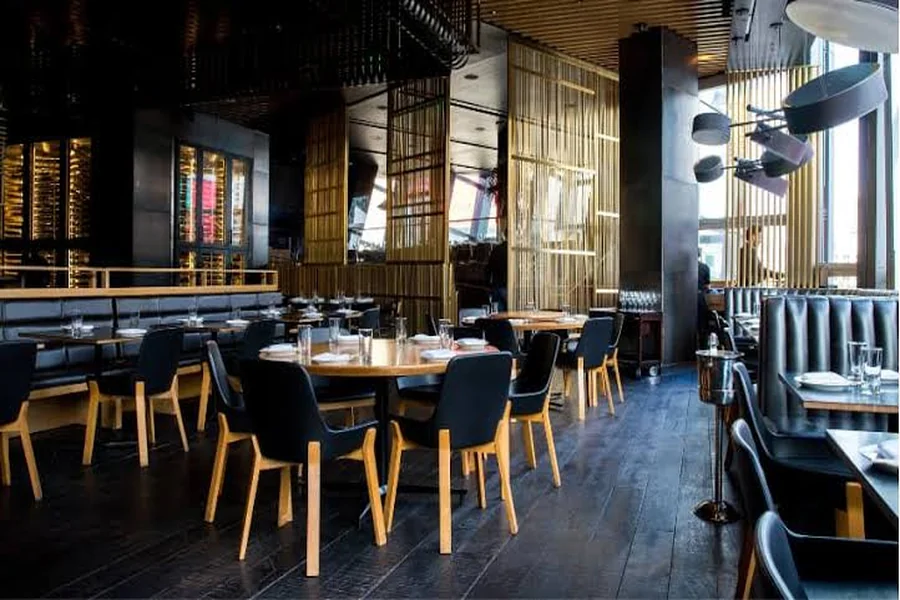
The enjoyable part of planning a dining room is opening a furniture quote. The finishes look suitable, the sizes seem workable, and the room starts to feel possible. The warranty usually gets a quicker look. A buyer checks the coverage period, files the document, and goes back to the photographs. But that document deserves attention while there is still time to ask questions.
When comparing commercial restaurant tables, read the warranty alongside the proposed use, assembly instructions, and maintenance requirements. The useful question is what happens if something goes wrong in your restaurant. A long coverage period matters less when the affected part is excluded, or the claim requires information that nobody retained.
Begin with the table you are actually ordering
A table can combine components from different sources. The top, base, and mounting hardware may appear together in a photograph without sharing identical coverage. Ask which company stands behind the assembled product and whether the warranty applies to the exact combination on the quotation. Keep that answer with the order. An attractive image cannot settle the question.
Tell the supplier exactly where the tables will go. An empty dining room picture does not explain the proposed use. If staff will carry tables to a sheltered terrace, move them between services, or clean them several times a day, say so. Then ask for an answer that names the model on your quote. A general statement about restaurant use leaves those practical details unresolved.
Separate a promise from a pleasant description
Terms such as durable can be hard to assess without supporting details. A written description of the material or finish is easier to compare with the delivered item. Cornell’s discussion of express warranties explains why descriptions, promises, and samples deserve attention during a sale. Their legal effect depends on the applicable law and the transaction. Keep the exact wording instead of relying on your memory of it.
If a problem occurs, which version of the order will someone open? Save the approved sample reference with the final specification, including any finish or base substitution. The buyer may remember why a change was made, but the manager who handles a later claim may never have seen that exchange. Enter the decision in the purchasing record while the people who approved it can still check the details.
Read what happens after a claim is accepted
Coverage and remedy are separate questions. A warranty might provide a replacement component without covering the work needed to install it. Freight, collection, and access arrangements also deserve a clear answer. None should be assumed from the word replacement. Ask who arranges each step, who pays, and what evidence the supplier needs before authorizing work.
Consumer and commercial protection also need to be distinguished. The Federal Trade Commission’s warranty guidance describes a federal framework for consumer products. It does not establish that every restaurant purchase falls within that framework. Check the commercial terms supplied with the order. If a disputed clause could materially affect the purchase, have the contract reviewed before relying on a sales explanation.
A useful pre-order note can be brief:
- Identify the components covered and the business responsible for the claim.
- Record who pays for labor, freight, and removal of the affected item.
- Ask what photographs, documents, or inspections the claim requires.
- Confirm how approved substitutions affect the written terms.
Wear is a different conversation
What does normal wear mean for this finish? Ask the supplier before a mark shows up. Find out how the warranty treats heat marks, damage around an edge, and changes caused by cleaning chemicals. Normal wear and a manufacturing defect are separate matters, but staff need an explanation of where the distinction falls. A vague instruction to take care of the furniture gives the closing crew very little to work with.
Putting the care sheet in a purchasing folder will not help the person wiping tables tonight. Keep the approved cleaning instructions where the team can find them. Show new staff which product to use. Include any assembly checks or periodic adjustments that the supplier requires. Can those jobs fit into a normal shift? If not, discuss the difficulty before delivery, while the buying decision can still change.
For a restaurant operating under a franchise agreement, there is another purchasing document to check. The agreement may address approved suppliers or equipment specifications. This discussion of equipment purchasing costs explains those issues in a franchise context. Check the requirements that apply to your own business before accepting a substitution, and keep the approval with the furniture order.
Do not turn the warranty into a lifespan forecast
A warranty duration is not a prediction of when the table will need replacing. Nor is an accounting period a physical test. IRS Publication 946, for example, lists office furniture and fixtures as 7-year property within its depreciation guidance. That classification does not promise that a restaurant table will remain suitable for the same period, and the correct tax treatment depends on the asset and circumstances.
Parts and downtime are the questions that matter when planning repairs. Could you order a replacement top on its own? Would the same finish still be available? Find out what work would be needed and whether the table would have to leave the dining room. Keep the answers with the order, without treating them as a prediction of when the furniture will wear out. Ask the accountant about tax treatment; ask the supplier how this particular table can remain in use.
Consider the practical cost of a remedy as well. A replacement part may solve the defect while leaving the restaurant to arrange access and installation. That does not automatically make the warranty poor. It makes the responsibilities worth understanding. Compare quotations on the same basis so that an apparently generous promise is not being measured against a more explicit one.
Leave the Order Ready for Someone Else to Understand
Try handing the shared purchase folder to a manager who was not present during the original discussions. Can that person identify the approved table and find the warranty without calling the buyer? Include the final quote, specifications, care instructions, and written clarifications, with clear filenames. Add the supplier contact and the name of the person receiving the goods. Any question that the manager cannot answer from that record shows where another note is needed.
The tables will become part of an ordinary working day. If a problem interrupts that day, the restaurant needs to know whom to call and what to send. The warranty cannot prevent every fault or settle every dispute in advance. Read it while the purchase is still being discussed, and give the next manager a usable record instead of a promise that everyone remembers differently.